
The weekly recipe used to live only inside the briefing. It now has a home you can cook from all season.
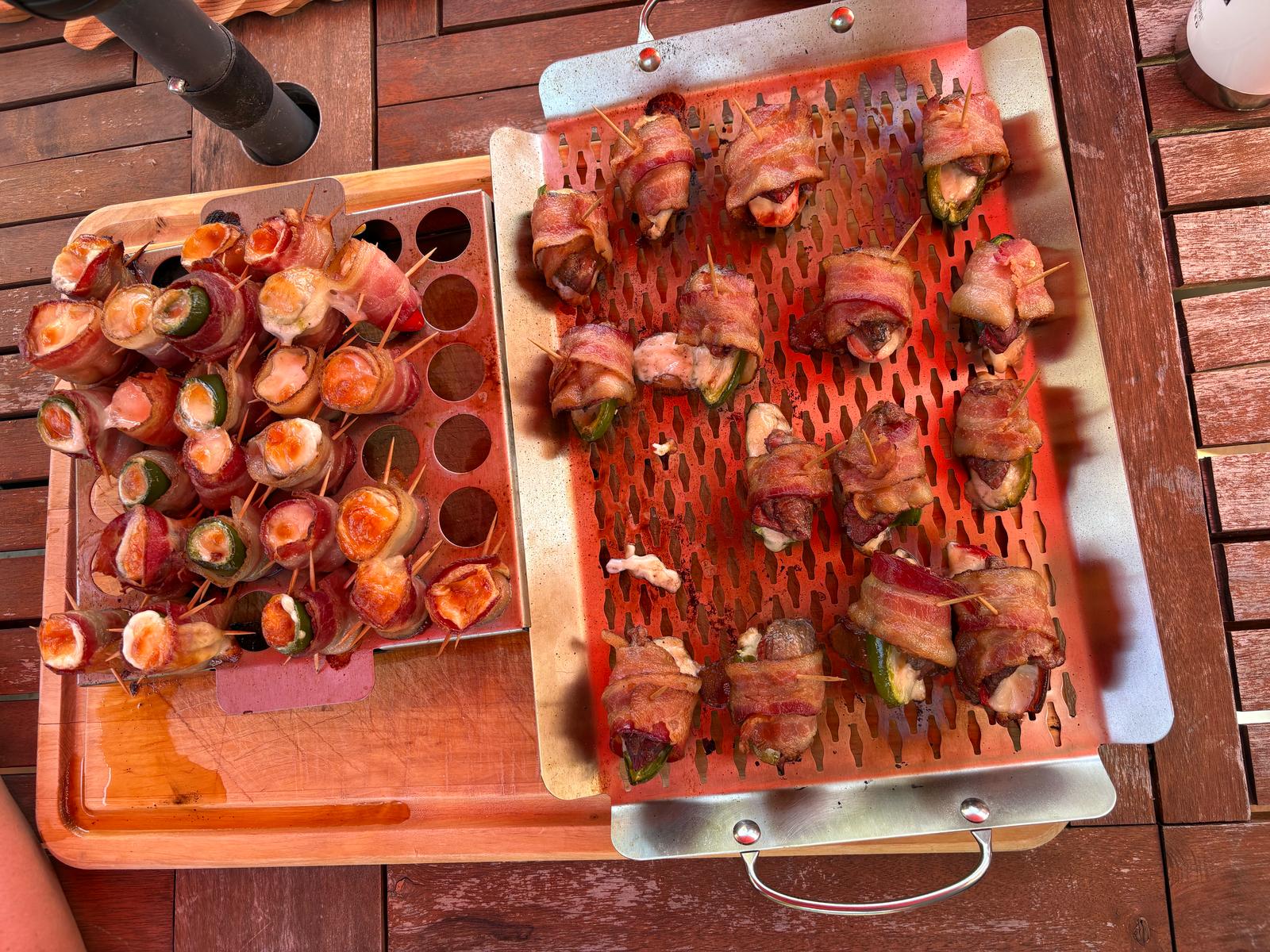
The tailgate recipe that ends the argument about how to cook a dove. Breast your birds, wrap them hot and fast, and get them off the grill with a warm pink center.
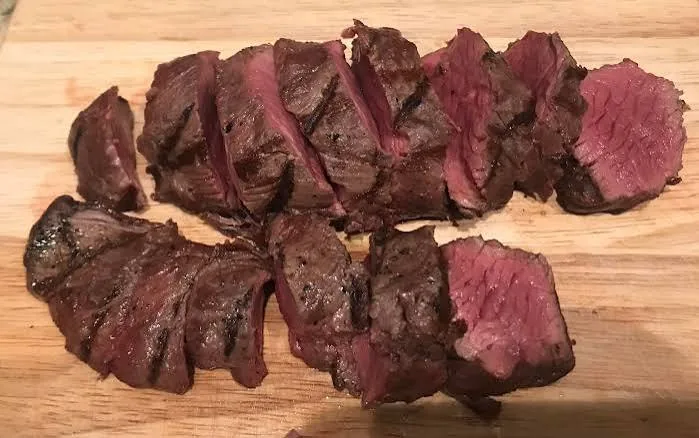
The pan behind every From Field to Table issue. Sears a backstrap properly over coals or a burner.
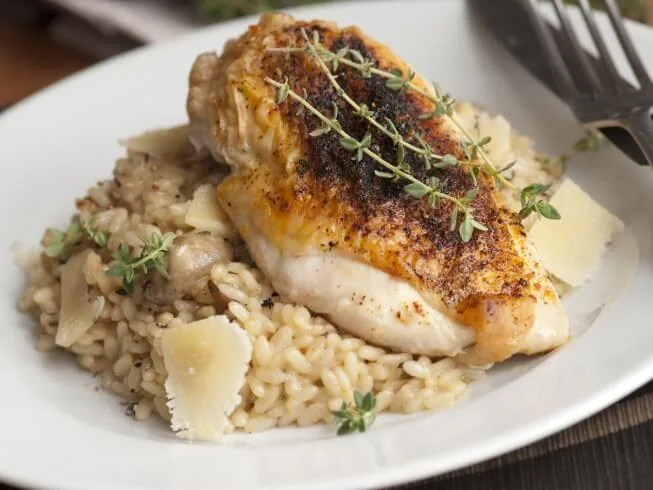
A one-pot bird stew for the nights you actually brought a rooster home. Dark meat, wild rice, and a pot that can sit on the camp stove.
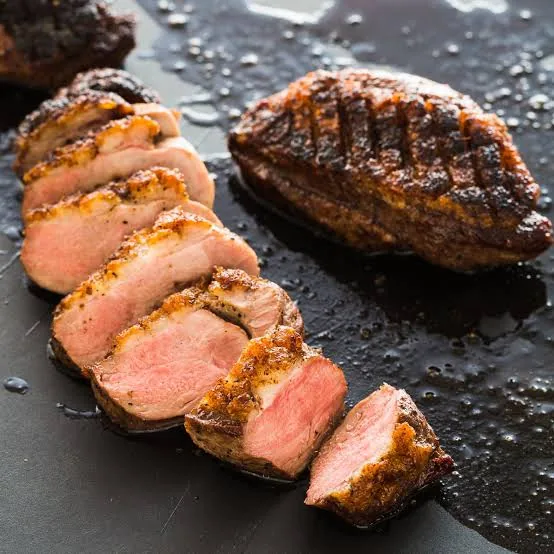
Score the skin, render it, and pull the breast while the center is still rosy. This is the weeknight duck when you only brought two home.
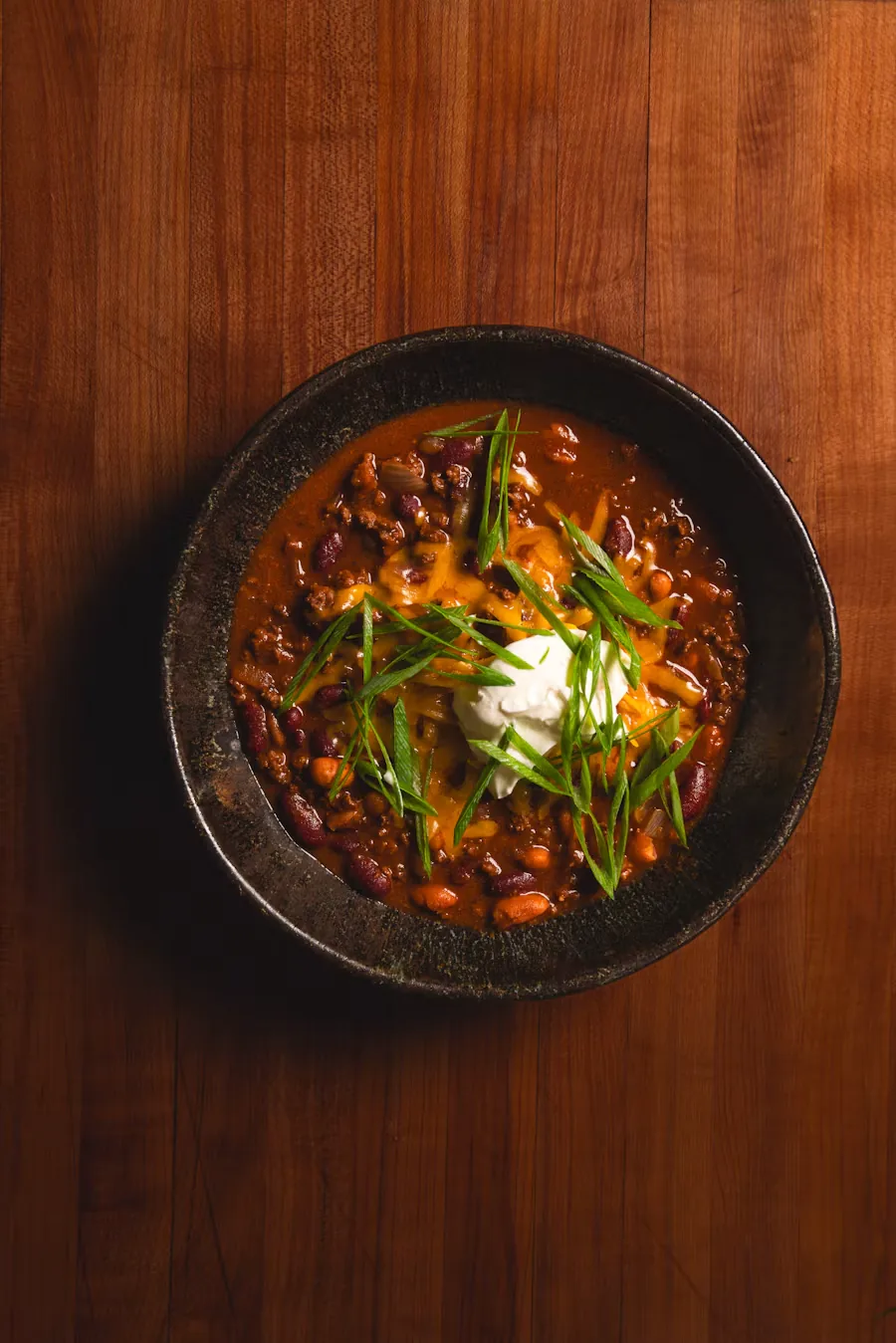
Stew meat, a long simmer, and no apology about beans. This is the pot for the trim that will not make a steak.
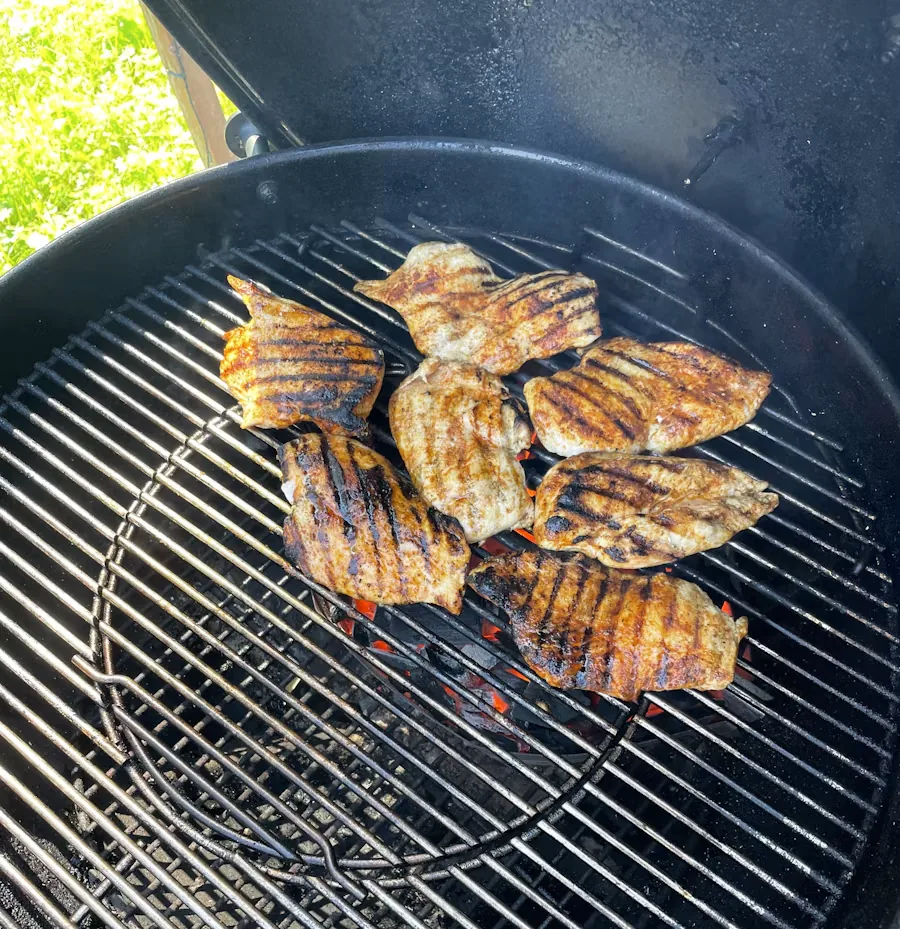
Hot grill, a little salt, and off before the breast goes chalky. Quail is a ten-minute cook pretending to be a recipe.
Plenty of you came home from the opener with geese, and a lot of goose meat ends up as freezer burn because folks don't know what to do with it. Here is the answer. A goose breast is dark, lean, and beefy, and when you slice it thin and sear it hot, it eats like skirt steak. Specklebellies are the best on the table, but Canadas and snows work fine here too. If you need a refresher on getting the breasts off the bird, go back to Issue #16.
Plenty of hunters breast out their ducks and leave the legs behind. Don't. Wild duck legs are tough, sinewy, and full of flavor, which makes them perfect for a slow cook. Confit means cooking them low and slow while fully covered in fat, and it turns those little drumsticks into tender meat that pulls right off the bone. Save legs in the freezer through the season (vacuum sealed, like we covered in Issue #7) until you have a batch.
Breasting out a duck is fast, but you leave the skin, the fat, and the legs behind. A plucked duck roasts whole, crisps up in a pan, and keeps better in the freezer. Dry plucking gets you most of the way, and a quick wax dip pulls the stubborn down and pin feathers that make plucking by hand a chore. Last week we turned the legs into confit (Issue #22). This week we keep the whole bird.
How your ducks taste gets decided long before they hit the pan. It happens in the hours between the shot and the cooler. Ducks Unlimited sums up game care in three words: cool, dry, and clean. Even on a cool November morning, a pile of ducks in the corner of the blind holds its own heat, and by the time you pull the decoys the birds at the bottom have started to turn. Here is how to bring them home in the shape they deserve.