Your First Local Report: Find the Water, Find the Birds
You asked for local hunting reports, so here's our first. Plus Charlie the Corning duck dog, a Glenn County pit blind, slow-cooked duck leg confit, and a $10 fix for leaky waders.
Sunday, November 1, 2026
Welcome back to Issue #022. You voted, and the answer was loud and clear: more local hunting reports. So this week we're rolling out the first one, built on the honkers, specks, and local ducks working the north state and the public-area numbers from opening weekend. Clocks fell back overnight, the D zones close tonight, and scaup open Saturday. This issue we're turning the duck legs most of you toss into a slow-cooked confit, making the case for the cheapest piece of waterfowl gear you'll ever buy, showing off a Glenn County pit blind that is ready for water, and meeting Charlie, a duck dog out of Corning. Let's get into it.
The Board: Dates and Deadlines
- Today, Sunday, November 1: clocks fall back. Daylight saving time ended at 2 a.m. Shooting hours are tied to sunrise and sunset, so legal light now comes about an hour earlier on the clock. Check your alarm and your shooting hours table before your next hunt.
- Today, Sunday, November 1: D zones and archery pheasant close. Last light for D-3 to D-5, D-6, and D-7 general deer. The first archery-only pheasant segment also ends today (it reopens December 28 to January 24).
- Today, Sunday, November 1: reservation deadline for Wednesday, November 18. Applications for reservation drawings on state-operated areas close 17 days before each hunt, so the deadlines keep rolling: Wednesday, November 4 for Saturday, November 21; Thursday, November 5 for Sunday, November 22; and Sunday, November 8 for Wednesday, November 25. It's $1.34 per hunt choice, and results post at least seven days before each hunt.
- Saturday, November 7: scaup opens in the Balance of State Zone, two per day, through January 31.
- Ducks and geese stay open to January 31. Seven ducks per day, which may include no more than two hen mallards, three pintail, two canvasback, and two redheads (plus two scaup once they open). Geese are 30 per day, up to 20 white and 10 dark, with no more than six white-fronted geese, or three in the Sacramento Valley Special Management Area, where specks close after December 21. Carry your California Duck Validation, a signed Federal Duck Stamp, and your free HIP validation.
- On the horizon, Saturday, November 14. General pheasant (to December 27; two roosters per day for the first two days, three after that), fall turkey (to December 13, one either sex per day, two per season), and the second dove split (to December 28, 15 per day) all open the same day.
- Bear check. CDFW's statewide count stood at 803 bears as of October 27, still well short of the 1,700 that would close the season early. General bear runs through December 27. Get your tag validated before you transport, and present the skull to CDFW within 10 days for the premolar.
- Report your deer tags. Filled tags are due within 30 days of harvest or by January 31, whichever comes first. Unfilled tags must be reported by January 31, hunted or not.
- Non-lead, every hunt, no exceptions. Certified non-lead ammunition is required for all firearm hunting in California. On the water, that means non-toxic shot and a shotgun plugged to three shells.
The Report: North State Waterfowl
You asked for it, so here's our first local report. Expect it to get sharper every week as more of you reply with what you're seeing.
Honkers: Canada geese are around the valley, but they didn't crack the top two species at any of the north valley public areas on opening weekend, so most of the goose action you'll see in the results is specks. If you're after honkers, scout where they're feeding, get on the X early, and hide well, because big birds that have already seen a week of decoys get wary fast.
Specks: White-fronts are the bird of the moment on the north end. On opening weekend they were the top species at Llano Seco both days and led the bag at Sutter on Sunday, where hunters averaged better than a goose apiece. Remember the three-per-day speck limit inside the Sacramento Valley Special Management Area.
Local ducks: Mallards were the top bird at Gray Lodge both days and led the bag at Sutter and Little Dry Creek on Saturday, with teal, shovelers, pintail, and wigeon filling in behind them. According to CDFW's opening weekend results (the most recent posted), Delevan led the north valley public areas on Saturday at 4.3 birds per hunter (pintail on top), Colusa came in at 3.4, Sacramento NWR at 2.8, and Gray Lodge at 2.0 with mallards leading. Every area dropped off on Sunday, which is typical once the opening morning pressure hits.
The big picture: not every field has water on it yet, and there's no real rain in the valley forecast this week. That means birds are stacking up on the spots that do. If you have access to a honey hole with water on it right now, hunt it hard. Once the rains come and more fields flood, these birds will spread out across the north state and those concentrated mornings won't last.
From Field to Table: Wild Duck Leg Confit
Plenty of hunters breast out their ducks and leave the legs behind. Don't. Wild duck legs are tough, sinewy, and full of flavor, which makes them perfect for a slow cook. Confit means cooking them low and slow while fully covered in fat, and it turns those little drumsticks into tender meat that pulls right off the bone. Save legs in the freezer through the season (vacuum sealed, like we covered in Issue #7) until you have a batch.
You will need: 12 to 16 duck legs (thigh and drumstick, skin on if you plucked), kosher salt, black pepper, four or five crushed garlic cloves, fresh thyme, two bay leaves, enough rendered duck fat, lard, or olive oil to cover the legs completely (a combination works fine), a small heavy baking dish or Dutch oven where the legs fit snugly, and an instant-read thermometer.
The method:
- Clean them up. Pull stray feathers, trim off any bloodshot meat, and feel for shot. Dig out every pellet you find.
- Cure overnight. Season the legs heavily with salt and pepper (roughly a tablespoon of kosher salt per pound), toss with the garlic, thyme, and bay, then cover and refrigerate 12 to 24 hours.
- Rinse and dry. Rinse off the cure and pat the legs bone-dry. This keeps the finished meat from turning out too salty.
- Cover in fat. Pack the legs snugly into the dish, tuck the garlic and herbs in around them, and pour in warmed fat until every leg is fully submerged. Snug is the key, because a tight dish takes less fat.
- Cook low and slow. Cover and set in a 225-degree oven for four to six hours. The legs are done when the meat pulls easily from the bone. Older, tougher birds take the longer end of that window.
- Crisp and serve. Lift the legs out, let the fat drip off, and crisp them skin-side down in a hot cast-iron skillet for a few minutes. Eat them whole, or shred the meat into tacos, fried rice, or a hash with eggs at camp.
Doneness and safety note: unlike the rosy goose breast in Issue #21, confit legs are cooked well past USDA's 165-degree guidance for poultry, game birds included, so check the thickest leg with your thermometer and cook until the meat is fork-tender. Old-world confit was stored for months in its fat, but play it safe: refrigerate leftovers covered in fat and use them within about a week, or vacuum seal and freeze. Strain and save the fat for your next batch or for frying potatoes. Wear nitrile gloves when you clean birds, and get them into the cooler from Issue #15 quickly after the hunt.
Gear Check: The Wader Repair Kit
Nothing ends a cold morning in the blind faster than icy water creeping down your leg. A barbed wire fence, a broken branch, a dog's toenail on the boat ramp, and that great pair of waders from Issue #16 has a pinhole leak. The fix costs about the same as a box of shells, so there's no reason not to have one in the truck.
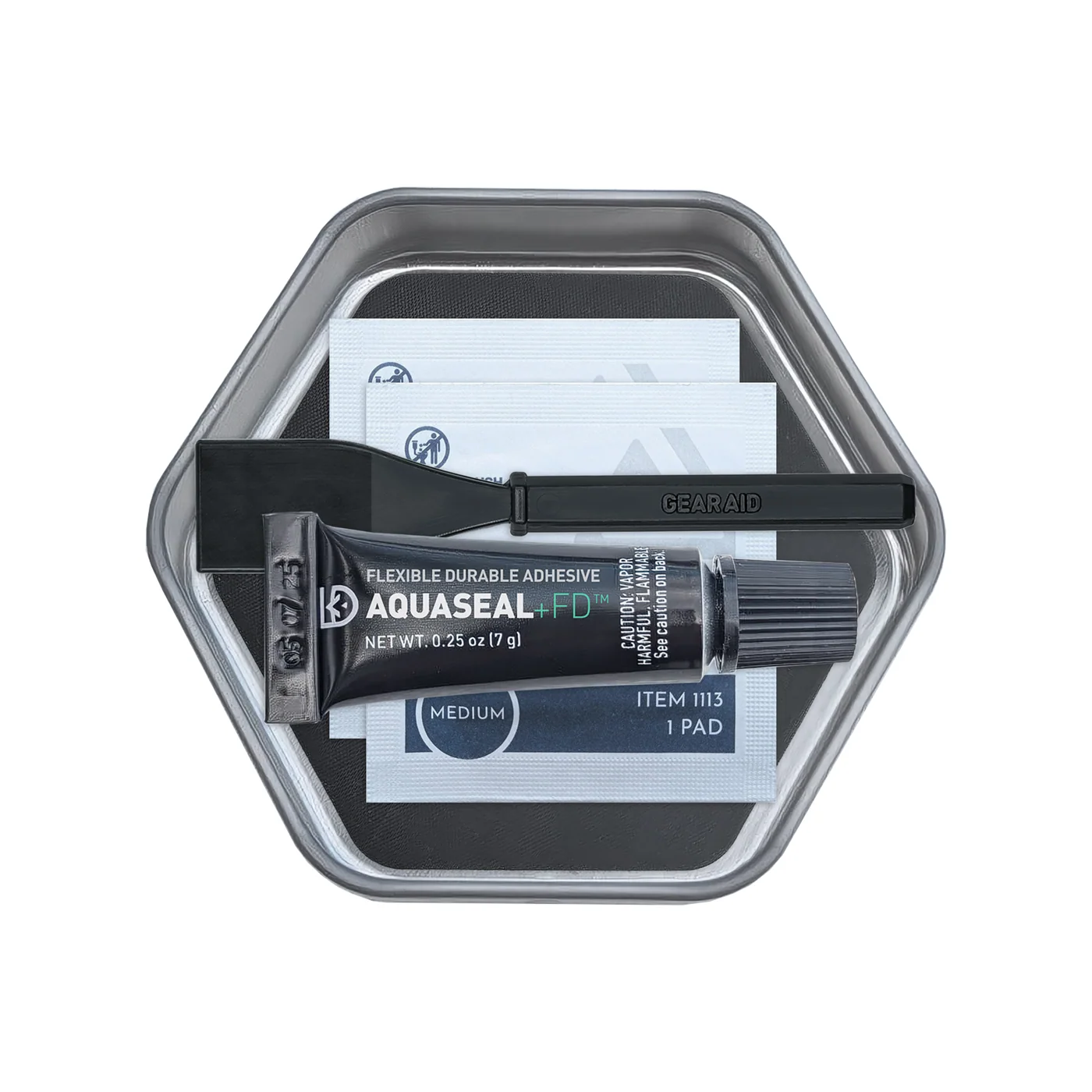
Our value pick is the Gear Aid Aquaseal FD Repair Kit. You get a quarter-ounce tube of Aquaseal FD urethane adhesive, two Tenacious Tape patches (one clear, one black), and an applicator brush. It bonds to neoprene, rubber, nylon, and GORE-TEX fabric, so it covers neoprene and breathable waders alike. It runs about $10 to $12, so check current pricing.
Know the trade-off: Aquaseal FD cures in 8 to 12 hours, and it wants temperatures between 60 and 100 degrees to do it. That makes it a fix you make at home the night after you find the leak, not in a 38-degree pit blind. Clean the spot with rubbing alcohol first, and let it cure fully before you hit the water again.
Step up: Gear Aid sells a Cure Accelerator that cuts the cure to about two hours. For pinholes in the field, Aquaseal UV runs around $9 to $12 and cures in about 30 seconds in sunlight, though Gear Aid recommends the FD for permanent repairs.
Finding the leak: turn your waders inside out, fill them with water, and look for the drip. Or, for breathable waders, spray the suspect area with rubbing alcohol from the outside and watch for a dark spot on the inside. Circle it with a marker before it dries. Toss the kit in the blind bag from Issue #17 and you'll never lose a morning to a leak again.
The Showcase
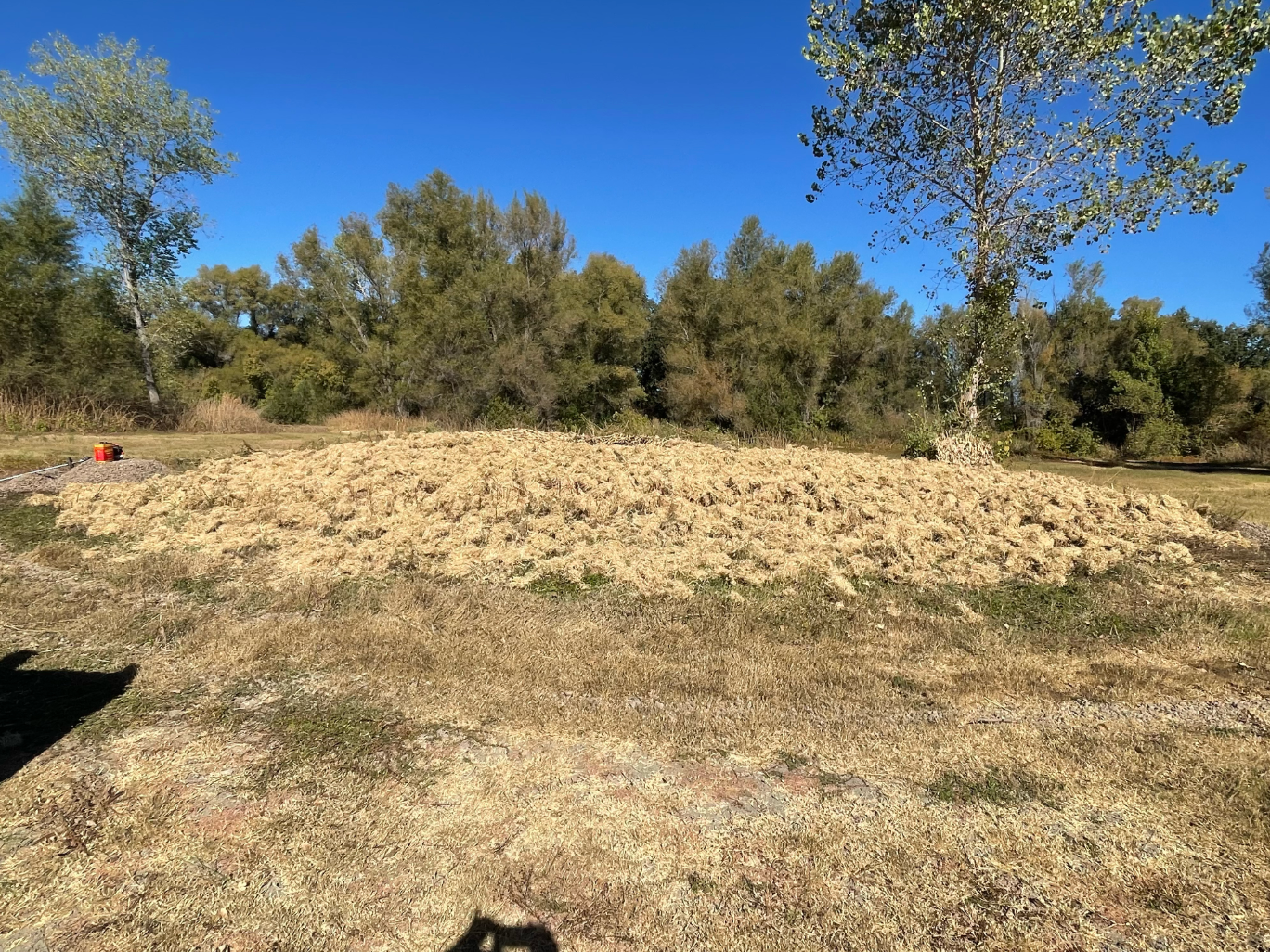
This week's Showcase is all about the work that comes before the birds. A NorCalHunt subscriber from Glenn County sent in the result of a lot of hard work: a pit blind that is dug, concealed, and ready for waterfowl harvest. All it needs now is water. When the water floods up, no bird will be safe. Nice work, and we hope to see the first strap out of it soon. Check out the full shot on our Showcase page.
The Showcase is exclusive to subscribers, so the folks on this list see it first. Next week it could be yours: your first strap of the season, a speck spread at sunrise, your own blind build, or a dog mid-retrieve. Hit reply with your photo or clip and a sentence about it, and tell us how you want to be credited (we run first name, last initial, and town). The best one each week runs up top and earns a permanent spot on our subscribers-only Showcase page.
Dog of the Week
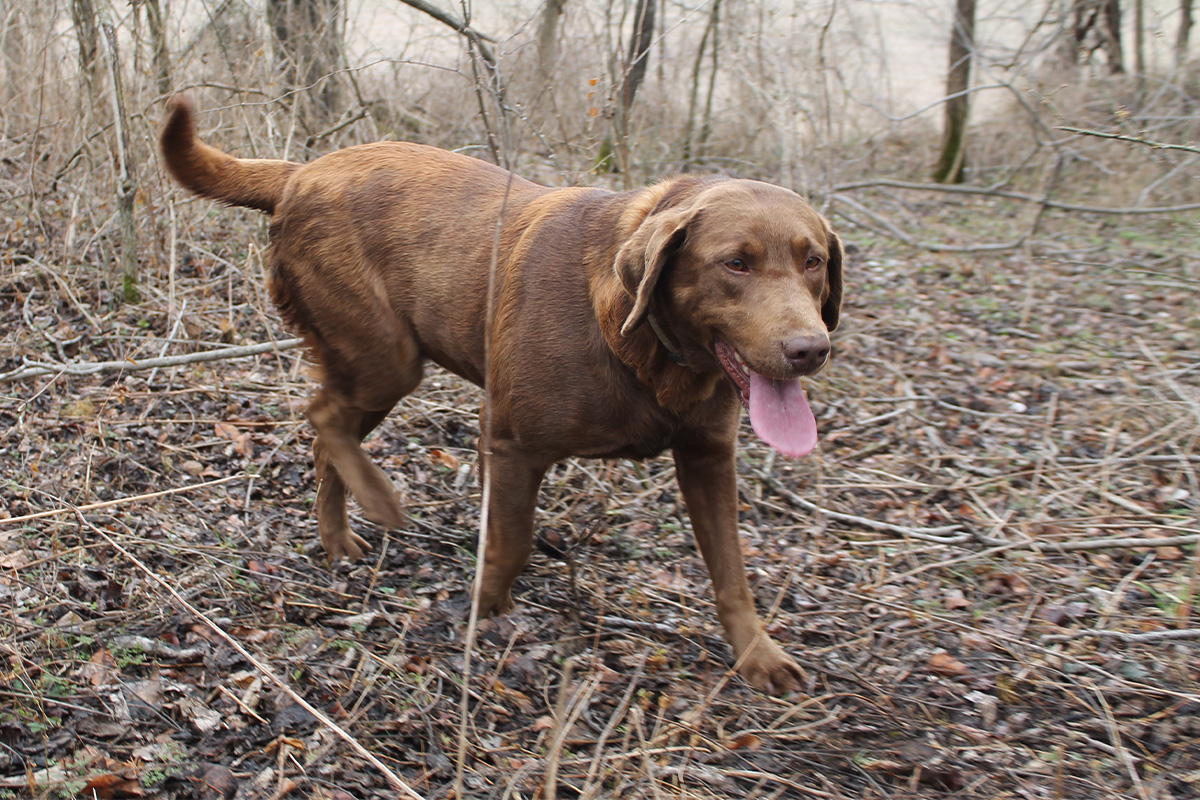
Meet "Charlie" (Submitted by Ryan G., Corning)
Charlie is a duck dog out of Corning, and with the valley season just getting rolling, his busy season is officially here. Every limit of birds starts with a dog willing to hit cold water at first light, and from where we sit, Charlie looks ready for whatever the season throws at him. Here's to a winter full of long retrieves, Charlie.
Want your dog featured? Hit reply, send us a clean photo of your hunting partner, and give us a quick 2 to 3 sentence blurb on what they hunt and where they earn their kibble. Pointers, flushers, retrievers, and the occasional very good mutt all qualify. Missed a week? Catch up on every dog we've featured on our past Dogs of the Week page.
From the Field: Your Story Here
No field story this week, which means the spot is wide open for yours. The first week of the valley season has already handed a lot of you something worth telling: the honker that set its wings over the spread, the dog that found the cripple everyone gave up on, or the blind partner who forgot the shells.
Got a hunt that turned into a story? A first bird, a near miss, a morning that went sideways and turned out better for it? Hit reply and tell it the way you would at the tailgate, and we'll clean it up. Catch up on the ones we've already run on our field stories page.
Community: Help Us Build the Pack
This briefing gets sharper when we hear from you, and now that we're running local reports, your replies matter more than ever. Drop us a quick reply and tell us:
- Where are you hunting right now, and what are you seeing: honkers, specks, or local ducks?
- Is your spot holding birds, or have they started to scatter?
- What would make the weekly briefing more useful to you?
Last week's poll: what do you want to see more of in NorCalHunt? The majority answered local hunting reports. You asked, and you'll find the first one up top. Keep the intel coming and we'll keep building it out.
This week's poll: Do you have water to hunt?
Do you have water to hunt?
Got a hunting partner in the foothills, the rice, or along the riverbanks? Forward this briefing and point them to norcalhunt.com. Word of mouth from real hunters is how we grow.
Local Services: Find It Close to Home
Steel shot for scaup opener, a wader repair kit, a pump to get water on your spot, or a shop that can help you finish your blind before the water comes up: somebody close to you has it. Our local services page keeps the NorCal businesses that treat hunters right all in one place. Check it out at norcalhunt.com/localboys, and if your shop belongs on it, hit reply.
Conditions: Mountain Snow, a Dry Valley Week
This weekend's storm mostly stayed in the mountains. The National Weather Service in Sacramento had a Winter Weather Advisory for the Sierra above 7,000 feet through 7 a.m. today, while the valley floor was only in line for a slight chance of light showers Saturday night. The week ahead looks mostly sunny and dry, with valley highs in the mid 60s, lows in the mid to upper 40s, and only slight chances of rain Tuesday and Thursday. Don't count on any real water from the sky this week.
Before you load the truck:
- Be set up early. Clear, calm mornings often mean a short flight right at legal light, and legal light now comes an hour earlier on the clock. Have the spread out and be settled in well before shooting time.
- Hunt the water you have. With little rain in the forecast, birds are concentrating on flooded ground. Keep pressure light on your best spot so it holds birds all season.
- Heading high? A Winter Weather Advisory covered the Sierra above 7,000 feet this weekend. Check road conditions and pack for winter before you go.
- Don't write off fire season. The valley grass is still dry, so check fire.ca.gov and your local forest before you go, and mind your exhaust and campfire plans.
- Cool your birds fast. Mild afternoons still sour ducks and geese left in a pile. Get them on ice.
Stay safe out there, get your gear cleaned, and we'll see you in the field.
The NorCal Hunt Team
#022